Recent Articles
2 Results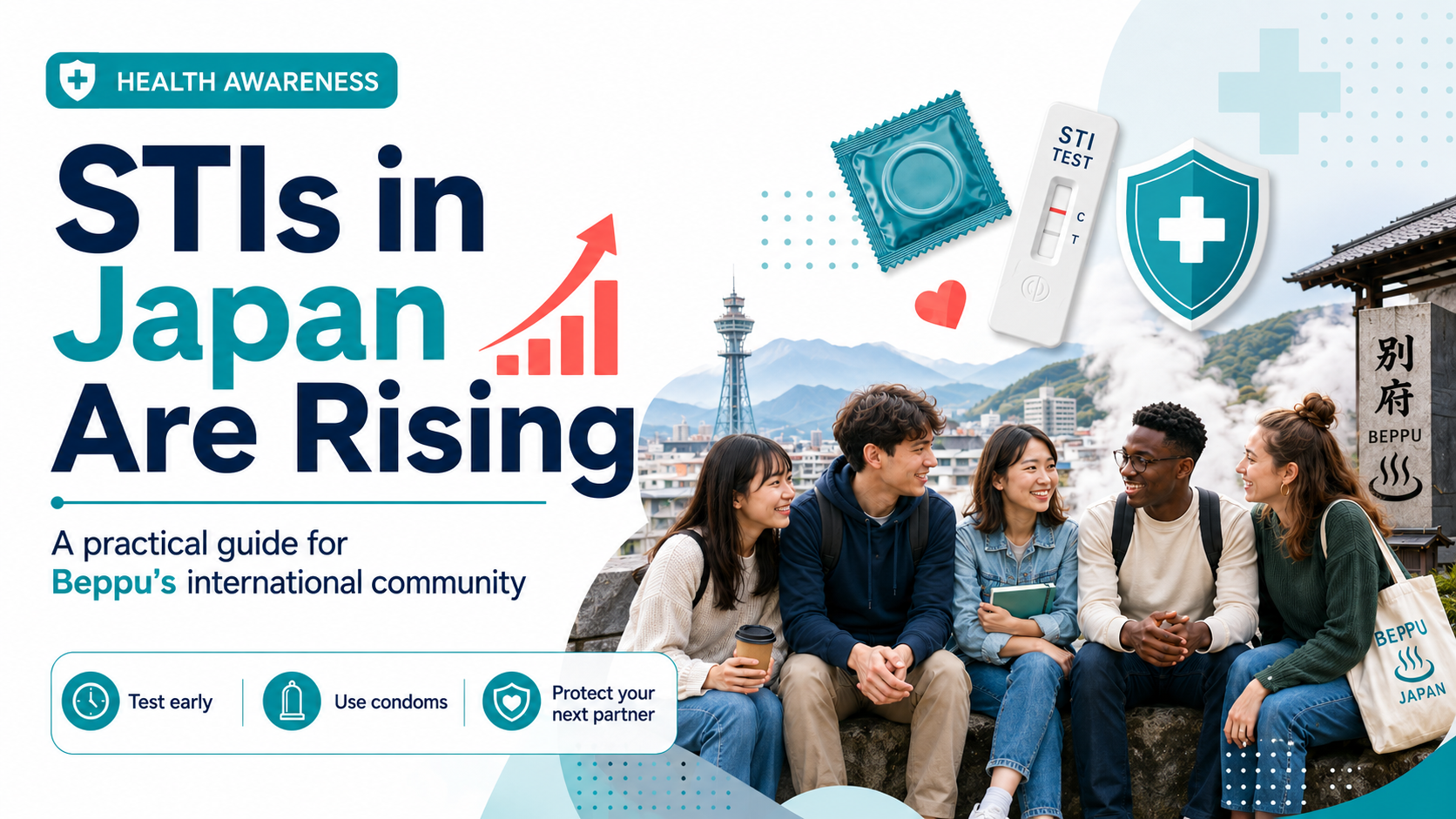
STIs in Japan Are Rising: A Practical Sexual Health Guide for International Students and Residents in Beppu
Living in Beppu is a special experience. The city is peaceful, international, student-friendly, and full of people from different countries and cultures. Many foreign residents come here to study, work, build friendships, and start a new chapter of life in Japan. But there is one topic that many people avoid talking about: sexual health. In Japan, sexually transmitted infections, often called STIs or STDs, are a real concern. This is not something that only happens in big cities like Tokyo or Osaka. It can happen anywhere, including university towns and international communities like Beppu. When people are young, busy, dating, meeting new people, using apps, going to parties, or living away from family for the first time, it is easy to make decisions without thinking about the long-term health effects. This article is not written to scare anyone or judge anyone. It is written to help people make responsible choices. Testing is not shameful. Using condoms is not distrust. Talking about sexual health is not embarrassing. These are normal parts of adult life. If you live in Beppu, Oita, or anywhere in Japan, please save this guide and share it with someone who may need it. Why STI Awareness Matters in Japan Sexually transmitted infections can spread through vaginal, oral, or anal sex. Some infections can also spread through skin-to-skin contact, even when there is no full intercourse. Common STIs include: * Chlamydia * Gonorrhea * Syphilis * Genital herpes * HIV * Hepatitis B * Hepatitis C * HPV One of the biggest problems with STIs is that many people do not know they have one. A person can look healthy, feel healthy, and still carry an infection. Some STIs show no symptoms at first. Others may cause mild symptoms that people ignore or mistake for something else. This is why guessing is dangerous. You cannot know someone’s STI status by looking at them. You also cannot fully rely on what someone says about their past. Many people are not open about their full sexual history. Some may not know their own status because they have never been tested. That is the reality. It is better to protect yourself than to depend on hope. Why This Is Important for Beppu’s International Community Beppu has many international students, workers, and long-term foreign residents. People come from different countries, cultures, and backgrounds. This makes Beppu one of the most unique cities in Japan. At the same time, international communities often have active social circles. People meet through university, part-time jobs, language exchange, events, bars, travel, and dating apps. This is normal. Relationships are part of life. But when people do not talk openly about sexual health, risks increase. STI risk is not about nationality. It is not about whether someone is Japanese or foreign. It is not about whether someone looks clean, polite, educated, or trustworthy. STI risk comes from unprotected sex, unknown testing status, and delayed action after exposure. A healthier community starts with better awareness. If You Have Sex With Someone New, Use Condoms When you start having sex with a new partner, use condoms every time until both people have been tested. This is one of the simplest and most effective steps you can take. Condoms can reduce the risk of many STIs, including HIV, chlamydia, and gonorrhea. They may not protect 100% against infections spread by skin contact, such as herpes, HPV, or syphilis sores outside the covered area, but they still reduce risk and are strongly recommended. Use condoms especially when: * You do not know the person’s sexual history * You met through a dating app * You have not both been tested * You had alcohol and may not remember everything clearly * You or your partner have multiple partners * You are unsure about symptoms * You are not ready for pregnancy risk Do not rely on appearance, chemistry, promises, or “I’m clean.” Responsible people understand protection. Step-by-Step: What To Do Before Sex With a New Partner Step 1: Talk honestly This may feel uncomfortable, but it is important. Ask simple questions: * “When was your last STI test?” * “Have you had any symptoms recently?” * “Can we use condoms until both of us are tested?” You do not need to make it dramatic. Keep it calm and respectful. Step 2: Use condoms from the beginning Do not wait until the middle of sex. Use a condom before genital contact begins. Some infections can spread through pre-ejaculate, fluids, or skin contact. Step 3: Use the condom correctly Check the expiry date. Open the packet carefully. Do not use teeth or scissors. Pinch the tip before rolling it down. Use water-based or silicone-based lubricant if needed. Do not reuse condoms. Step 4: Avoid sex if there are symptoms If you or your partner has sores, unusual discharge, pain when urinating, bleeding, itching, rash, fever, swollen glands, or genital pain, stop and get medical advice. Step 5: Get tested together Testing together can build trust. It is better than guessing. If You Had Unprotected Sex, What Should You Do? First, do not panic. Many people make mistakes. What matters now is what you do next. Step 1: Stop having sex with new partners for now Until you get checked, avoid sex with new partners. If you continue having sex, use condoms and be honest. Step 2: Check if emergency care is needed If HIV exposure may be possible, ask a doctor or emergency medical provider about PEP as soon as possible. PEP is medicine that may help prevent HIV after possible exposure, but it must be started quickly, usually within 72 hours. Do not wait until symptoms appear. ### Step 3: Watch for symptoms Possible STI symptoms include: * Pain when urinating * Unusual discharge * Genital sores or blisters * Rash * Itching or burning * Pain during sex * Lower abdominal pain * Fever or swollen glands * Bleeding after sex However, remember that no symptoms does not mean no infection. Step 4: Get tested Some tests may not detect infection immediately after exposure. This is called the window period. Ask the clinic or health center when you should test and whether you need a repeat test later. Step 5: Do not have sex with another partner before checking This is very important. If you had unprotected sex, get checked before having sex with your next partner. This protects both you and the community. Where To Get STI Testing in Beppu and Oita If you live in Beppu, you have several options. 1. Oita Prefecture Eastern Public Health Center in Beppu The Oita Prefecture Eastern Public Health Center provides HIV and STI testing in Beppu. It offers anonymous and free testing, and reservations are required. Testing may include: * HIV * Syphilis * Chlamydia * Hepatitis B * Hepatitis C HIV results may be available on the same day if negative. Other results may be given later. Always check the latest schedule and call before visiting. This is a good option for people who want privacy and do not want to visit a regular clinic first. 2. Ladies clinics or gynecology clinics Women can ask a local ladies clinic or gynecology clinic about STI testing. For example, Beppu has clinics such as Nakayama Ladies Clinic. Before visiting, call ahead and ask whether they provide STI testing, what tests are available, how much it costs, and whether health insurance can be used. 3. Urology departments or hospitals Men can ask a urology department or local hospital about STI testing. If you have symptoms such as pain when urinating, discharge, swelling, or sores, do not wait. Visit a clinic or hospital. 4. Private postal testing kits Home testing is becoming more common in Japan. With a self-collection test kit, you order the kit online, collect the sample at home, send it back to the lab, and receive results depending on the service. This can be helpful for people who feel shy, worry about privacy, or cannot visit a clinic easily. Recommended test kit links: * https://amzn.to/49RLTXh * https://amzn.to/4urZ0qj * https://amzn.to/4utohAI * https://amzn.to/4dtgm0g * https://amzn.to/49jhuB0 Please read the product details carefully before buying. Check what infections are included, how samples are collected, how results are delivered, and whether follow-up medical support is available. If your result is positive, unclear, or you still have symptoms, visit a clinic or hospital. A home test is useful, but it should not replace medical care when treatment is needed. Important: Some STIs Are Treatable, Some Stay in the Body Many bacterial STIs, such as chlamydia, gonorrhea, and syphilis, can usually be treated with medicine if detected early. But if ignored, they can cause serious health problems. Untreated STIs can lead to: * Infertility * Pelvic inflammatory disease * Long-term pain * Pregnancy complications * Higher risk of HIV transmission * Infection of future partners Some viral infections, such as herpes, cannot be fully cured. Genital herpes can stay in the body and come back. Medicine can reduce symptoms and lower the chance of passing it to others, but prevention is still very important. This is why casual decisions can have long-term effects. How Often Should You Get Tested? There is no one rule for everyone, but you should consider testing: * After unprotected sex * Before sex with a new partner * If a condom broke * If your partner tested positive * If you have symptoms * If you have multiple partners * Every few months if you are sexually active with changing partners If you are unsure, ask a clinic or public health center. How To Talk About Testing With a Partner Many people avoid this conversation because they are afraid it will ruin the mood. But a mature partner will understand. You can say: “I like you, but I want us to be responsible. Let’s use condoms until both of us get tested.” Or: “I had unprotected sex before, so I want to get checked before we go further.” Or: “I care about both of us, so I think testing is the right thing to do.” This is not rude. It is respectful. If someone refuses condoms, refuses testing, or makes you feel guilty for protecting yourself, that is a warning sign. Privacy in Japan: Do Not Be Afraid To Ask Many people worry that everyone will know if they get tested. In reality, clinics and public health centers in Japan are expected to protect privacy. Public health center testing can be anonymous. Home testing kits also offer a private option. You do not need to share your situation with friends, classmates, coworkers, or family. Your health is your responsibility, and you have the right to protect it quietly. Final Preventive Checklist Before sex with a new partner: * Use condoms * Ask about testing * Avoid sex if symptoms are present * Do not rely only on appearance or promises * Get tested together if possible After unprotected sex: * Do not panic * Avoid sex with new partners until checked * Ask about emergency HIV prevention if needed * Get tested at the correct time * Repeat testing if advised * Treat early if positive * Inform partners when necessary For long-term protection: * Keep condoms at home * Test regularly if sexually active * Learn basic STI symptoms * Use trusted clinics or public health centers * Save reliable information sources * Share awareness with friends A Message to Beppu’s International Community Beppu is a small city with a big international heart. We live, study, work, and grow together here. That means we also have a responsibility to protect each other. STI awareness should not be treated as shameful. It is normal health education. The same way we talk about insurance, visas, housing, jobs, and hospitals, we should also talk about sexual health. Testing is responsible. Condoms are responsible. Honest communication is responsible. One small action can prevent a serious problem later. Save this article. Share it with someone who may need it. If you are worried, do not wait. Call a clinic, public health center, or medical professional and ask what to do next. Your health matters. Your partner’s health matters. Our community matters. Disclaimer This article is for general awareness only and is not personal medical advice. If you have symptoms, possible exposure, pregnancy concerns, sexual assault concerns, or urgent health worries, contact a clinic, hospital, public health center, or emergency medical provider as soon as possible. Affiliate disclosure: Some links in this article are affiliate links. MyBeppu may receive a small commission if you purchase through these links, at no extra cost to you.
Stepping into the Steam: A First-Timer's Guide to Beppu City
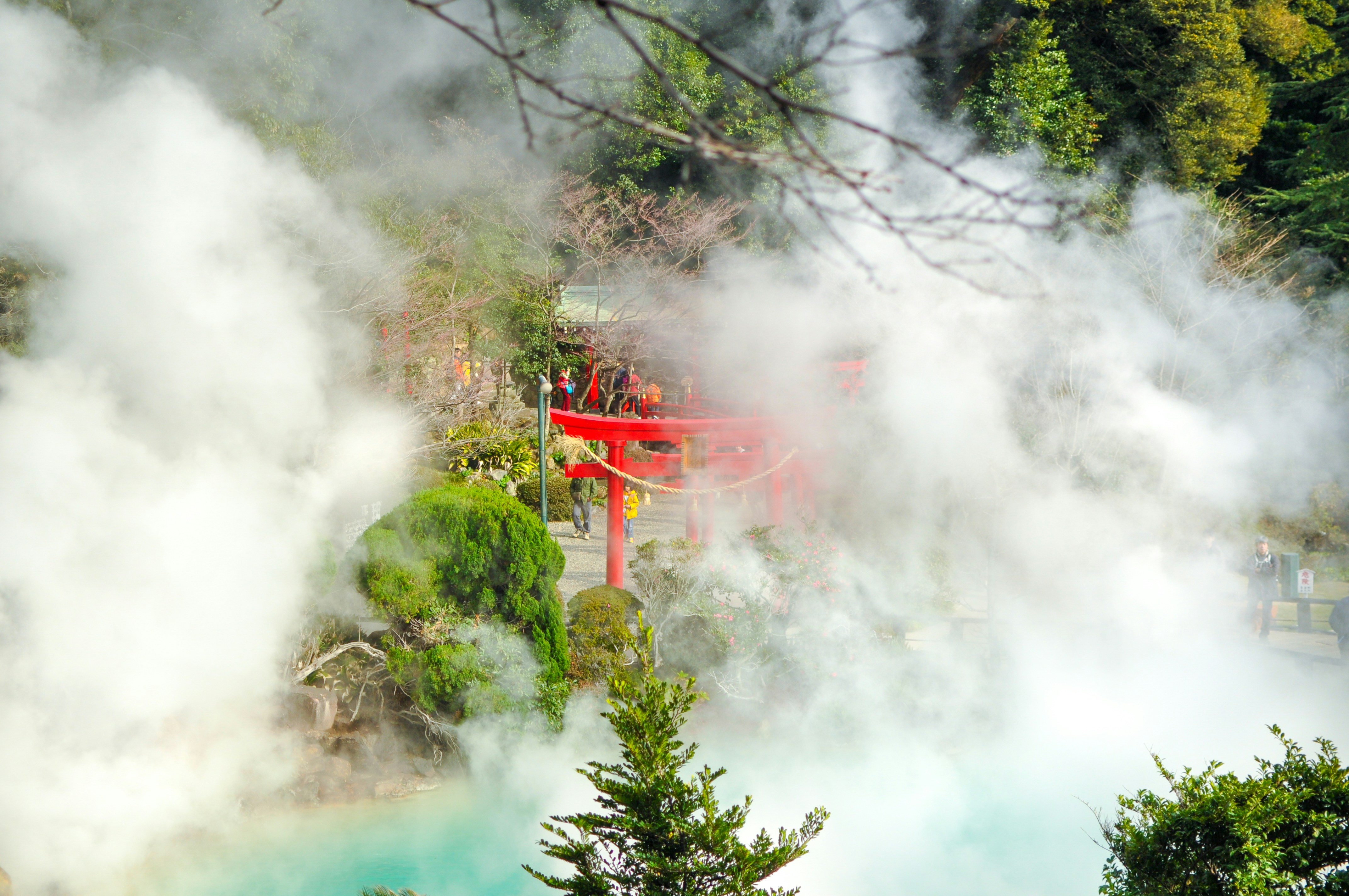
Beppu, located in the Oita Prefecture on Japan's Kyushu island, is a city where the earth literally breathes. With over 2,800 hot spring sources and the highest output of spring water in the country, it is undisputedly Japan's premier onsen (hot spring) destination. But Beppu is more than just a place to take a warm bath—it's a quirky, geothermal wonderland where steam rises from sidewalk grates, hillsides, and kitchen stoves. Welcome to the Onsen Capital When you arrive in Beppu, the first thing you notice is the steam. Plumes of white vapor rise from the cityscape, blending with the clouds and giving the town an almost mystical atmosphere. For centuries, people have traveled here for Toji (hot spring therapy), seeking the healing properties of the mineral-rich waters. Whether you are looking to soak in a traditional wooden bath, bury yourself in naturally heated volcanic sand, or simply marvel at the geothermal activity, Beppu has a uniquely relaxing energy that encourages you to slow down.